Our Location
304 North Cardinal St.
Dorchester Center, MA 02124

304 North Cardinal St.
Dorchester Center, MA 02124

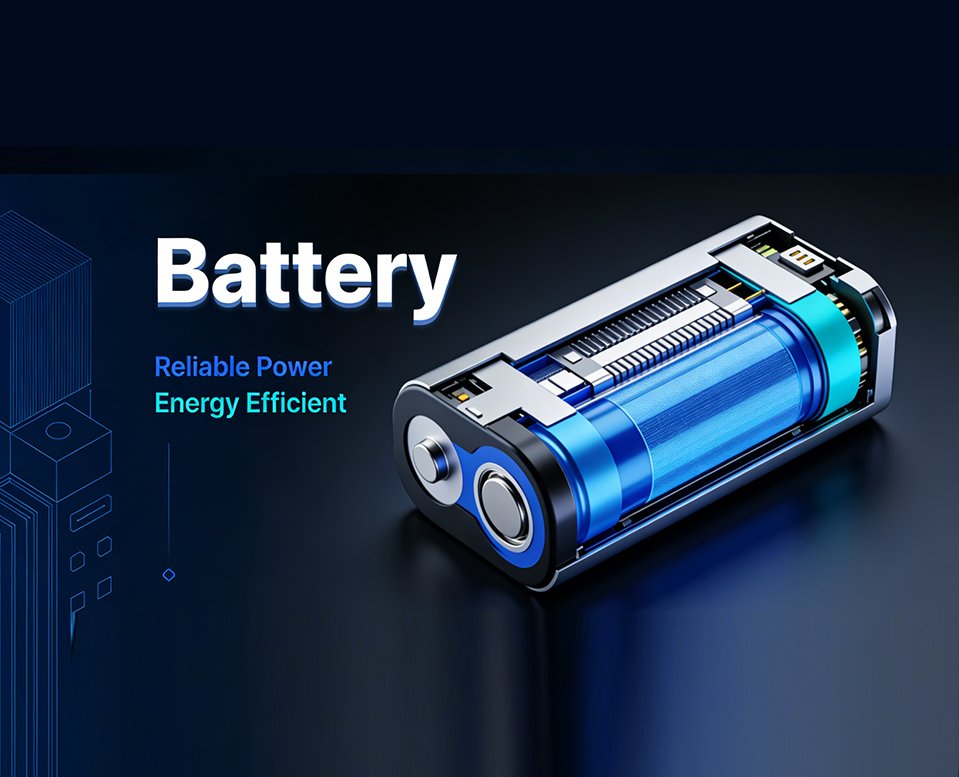
Li-ion vs. LiPo Batteries: Which is Better for Long-Range Drone Flight?
Choosing the right battery technology is critical for maximizing performance and efficiency in long-range flight applications. The two most prevalent options today are Lithium-ion (Li-ion) and Lithium Polymer (LiPo) batteries. Each possesses distinct characteristics and advantages suited to different scenarios, making the selection process one that requires careful consideration of specific needs. This article provides a systematic comparison of Li-ion and LiPo batteries, delving into their core performance metrics, key benefits, and crucial practical factors to help you make an informed decision for your endurance-focused missions.
Part 1: Understanding Li-ion Batteries: Key Traits & Advantages
Lithium-ion (Li-ion) batteries are a cornerstone of modern portable power, widely adopted for their unique set of features, especially beneficial for long-distance applications.
Key Characteristics:
High Energy Density: They offer superior energy density, storing more power in a smaller, lighter package. This is vital for applications requiring extended range without significantly adding weight.
Long Cycle Life: They boast an excellent cycle life, enduring many charge/discharge cycles before notable capacity degradation. This durability translates to a longer service life and less frequent replacement.
Low Self-Discharge: Compared to other battery types, Li-ion batteries have a very low self-discharge rate. They retain their charge for longer periods when idle, enhancing readiness and reliability.
High Efficiency: They exhibit high charge/discharge efficiency, meaning less energy is lost during these processes, ensuring most of the stored energy is available for use.
Advantages for Long-Range Flight:
Reduced Weight: Their inherently lighter weight is a major advantage for weight-sensitive platforms like drones or EVs, where total system weight drastically impacts performance and efficiency.
Stable Power Output: They provide a relatively stable voltage and power output throughout the discharge cycle, which is crucial for equipment requiring consistent, reliable power.
Environmental Profile: Utilizing advanced chemistry, they generally have a lower environmental impact than older battery types and are more readily recyclable, supporting sustainable practices.
Built-in Safety: Modern Li-ion packs incorporate robust Battery Management Systems (BMS) and protection circuits to prevent overcharge, overheating, and short circuits, enhancing operational safety.
Part 2: Understanding LiPo Batteries: Key Traits & Advantages
Lithium Polymer (LiPo) batteries are renowned for their high energy density and are ubiquitous in high-performance fields like RC models and drones, favored by enthusiasts for their power delivery.
Key Characteristics:
High Energy Density: They provide excellent energy-per-weight, making them ideal for applications demanding both lightweight design and strong power.
Flexible Form Factors: The use of a polymer electrolyte allows them to be manufactured in various shapes and sizes (pouch cells), offering great design flexibility for custom or compact devices.
High Discharge Rates (High C-Rate): They can deliver very high burst currents, ensuring devices like drones get immediate power for aggressive maneuvers or acceleration.
Stable Voltage Output: They maintain a stable voltage under load for most of the discharge curve, benefiting the performance of voltage-sensitive electronics.
Lightweight Design: Crucial for airborne applications, LiPos are typically lighter than other battery types of comparable capacity.
Low Self-Discharge: They have a relatively low self-discharge rate, maintaining charge during storage and improving reliability.
Advantages for Drone Applications:
Extended Flight Time (for given weight): The high energy density and light weight contribute to longer flight times per charge.
Enhanced Power & Thrust: High discharge rates ensure instant power for rapid climbs, fast turns, and other dynamic flight maneuvers.
Custom Fit: Their flexible form allows for optimal use of space within a drone’s frame, potentially allowing for larger capacity packs.
Reduced Overall Weight: Lighter batteries help keep the total drone weight down, improving agility and efficiency.
Good Storage Life: The low self-discharge rate means they remain ready for use even after periods of storage.
Part 3: Energy Density & Weight: The Core Trade-off
For long-range flight, the balance between energy stored (Wh) and weight (kg) is paramount.
Li-ion Batteries: Generally hold the advantage in gravimetric energy density (Wh/kg). This means, for a given weight, a Li-ion pack can often store more energy than a comparable LiPo, directly translating to potential for longer flight times.
LiPo Batteries: While their specific energy density can be slightly lower than top-tier Li-ion cells, their pouch cell design eliminates the metal casing of cylindrical cells, which can lead to weight savings in the overall pack assembly for certain form factors. However, this soft packaging often requires additional protective structures in a drone.
Verdict for Range: For purely maximizing flight endurance where high burst power is less critical, Li-ion batteries typically offer a better energy-to-weight ratio, making them the preferred choice for long-range cruises, mapping, or surveillance.
Part 4: Safety & Durability Face-Off
Li-ion Batteries (typically with BMS):
Safety: Generally considered safer in routine use. The common 18650/21700 cylindrical cells have a robust metal shell. A built-in BMS provides critical protection against over-charge, over-discharge, and short circuits.
Durability: They offer a longer cycle life (often 500-1000+ cycles) and better long-term capacity retention when properly maintained. Their lower self-discharge is ideal for intermittent use.
LiPo Batteries:
Safety: The soft pouch is more vulnerable to physical damage (puncture, crushing), which can lead to thermal runaway. They require more vigilant handling, storage, and charging practices. While some have basic protection circuits, they often rely on the user/smart charger for safety.
Durability: They are more sensitive to misuse. Being stored at full charge or deep-discharged can permanently damage them. Their cycle life is typically shorter (300-500 cycles), and they degrade faster if not carefully managed.
Part 5: Charge/Discharge Performance
Discharge Characteristics:
Li-ion: Have a lower continuous discharge rating (C-rate). They excel at providing steady, efficient power over a long period but are not suited for extreme bursts of current.
LiPo: The champions of high discharge. They can handle very high continuous and burst C-rates (e.g., 20C-50C+), making them essential for FPV racing, freestyle, or any application needing sudden, massive power draws.
Charge Characteristics:
Both types use similar voltage per cell (4.2V max for standard chemistry).
LiPo batteries can often accept faster charge rates (e.g., 2C-5C) due to their low internal resistance, allowing quicker turnaround.
Li-ion packs with a BMS may have more conservative, safer charge current limits.
Part 6: Cost Analysis for Long-Endurance Operations
Initial Cost: High-quality, high-energy-density Li-ion cells and the required BMS can make a custom Li-ion drone pack more expensive upfront than a similar capacity LiPo.
Long-Term & Lifetime Cost: Due to their superior cycle life, Li-ion batteries may need replacement less frequently. When calculated over thousands of flight hours, the total cost of ownership for Li-ion can be lower despite the higher initial investment. LiPo packs, while cheaper to buy, may require more frequent purchases.
Conclusion: Which Battery for Long-Range Flight?
The choice ultimately hinges on your specific definition of “long-range” and your performance priorities.
Choose Lithium-ion (Li-ion) Batteries if:
Your primary goal is maximum possible flight time on a single charge.
The flight profile involves steady, efficient cruising with minimal aggressive maneuvering.
You value lower long-term operating costs and longer pack lifespan.
You prioritize inherent safety and stability for autonomous or commercial operations.
Choose Lithium Polymer (LiPo) Batteries if:
Your “long-range” flight still includes segments requiring high burst power (e.g., climbing altitude quickly, fighting wind, carrying heavy payloads that need extra power for takeoff).
You need a battery that fits a very specific, non-rectangular space in your drone frame.
Initial budget constraints are a major factor, and you accept potentially shorter overall pack life.
You are engaged in activities like long-range FPV where dynamic flying is part of the mission.
In summary: For dedicated, weight-sensitive, long-endurance missions where efficiency is king, Li-ion battery technology is typically the superior choice. For extended flights that still demand high power availability and flexibility, high-capacity LiPo batteries remain a powerful and popular option. Carefully evaluate your flight profile, weight budget, and performance needs to select the optimal power source.
